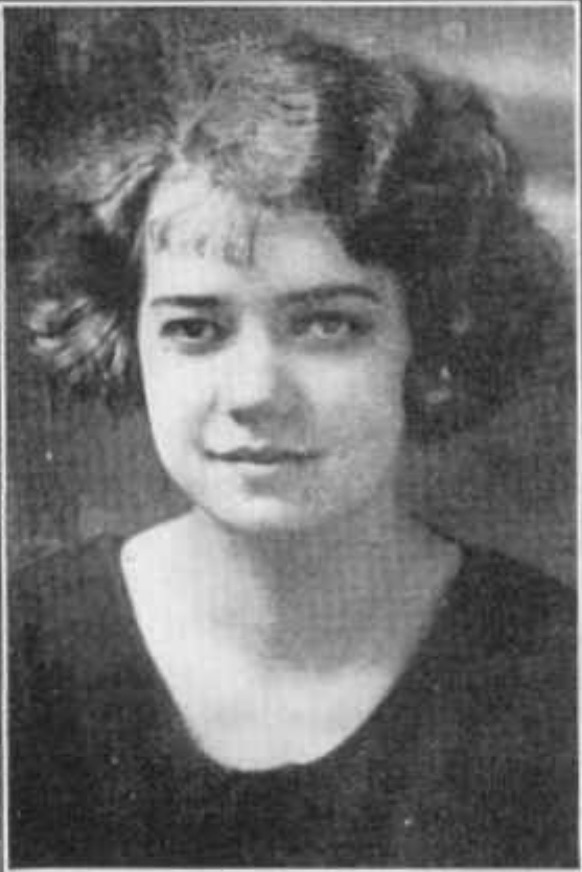
Image via National Teachers Hall of Fame.
On the morning of 18 May 1927, the children of Bath, Michigan, went to school.
It was a Wednesday.
Bath was a small farming community, the kind of place built from fields, family names and familiar faces. There was a grain elevator and a small drugstore. People knew their neighbours, and most people knew the children who travelled each morning from the surrounding countryside to the consolidated school.
The school itself represented something important.
For years, Bath Township had debated whether its children should continue to attend scattered one-room schools or whether they should be brought together beneath one roof. In 1922, voters finally approved a consolidated school serving grades one through twelve.
It was not an insignificant decision. Around 300 local landowners would pay higher property taxes to finance it.
But the school represented investment, opportunity and progress.
When it opened, 236 pupils were enrolled from across the district.
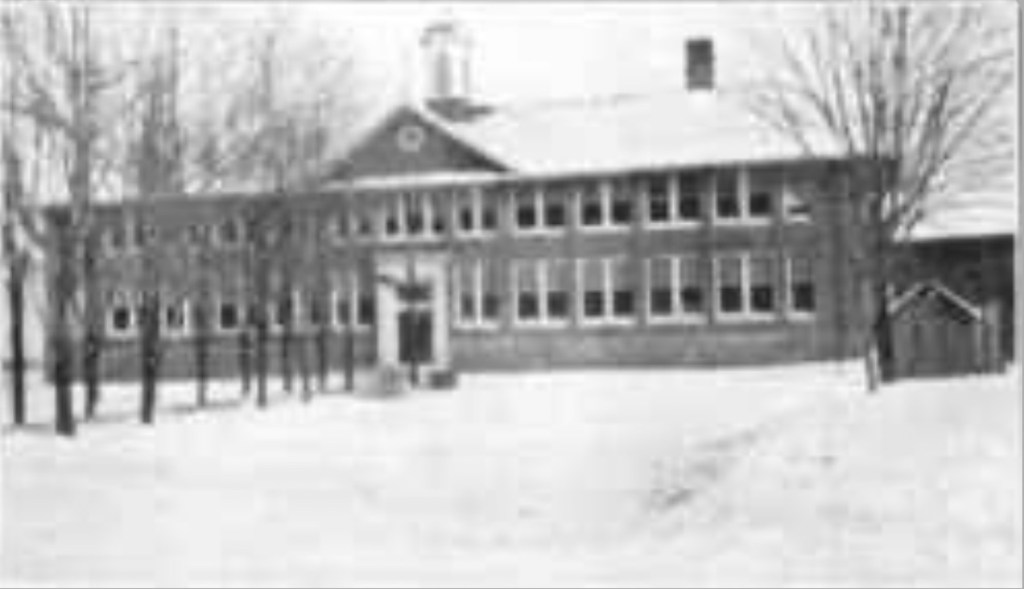
Bath Consolidated School before 18 May 1927. Image via Find a Grave.
By the spring of 1927, it was simply part of Bath.
Children came through its doors each morning. Teachers prepared lessons. Parents expected their sons and daughters home later in the day.
Among the teachers was Hazel Iva Weatherby.
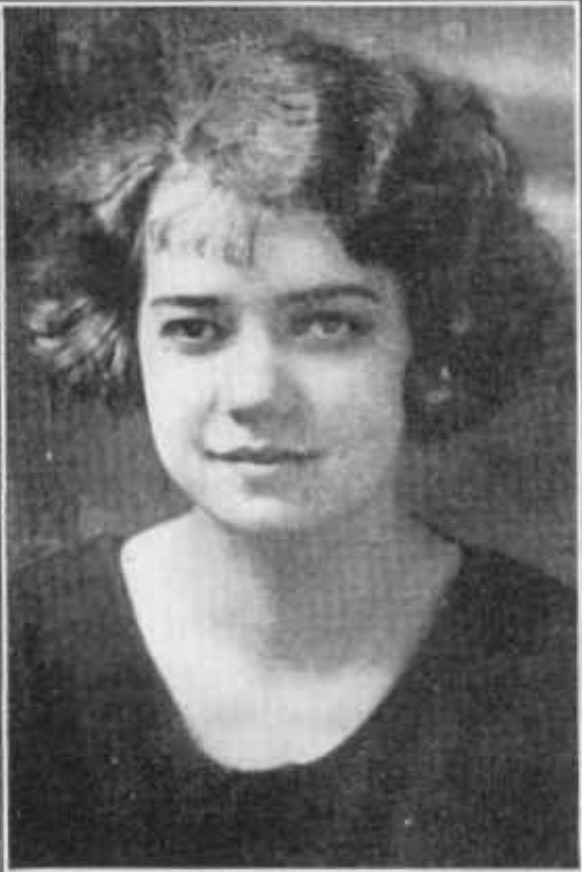
Hazel Iva Weatherby, third- and fourth-grade teacher at Bath Consolidated School. Image via National Teachers Hall of Fame.
Hazel was only twenty years old.
Born on 20 September 1906, she was in the first year of what should have become a long teaching career. Her classroom contained the third- and fourth-grade children.
Nearby was Blanche Elizabeth Harte, who taught the fifth grade.
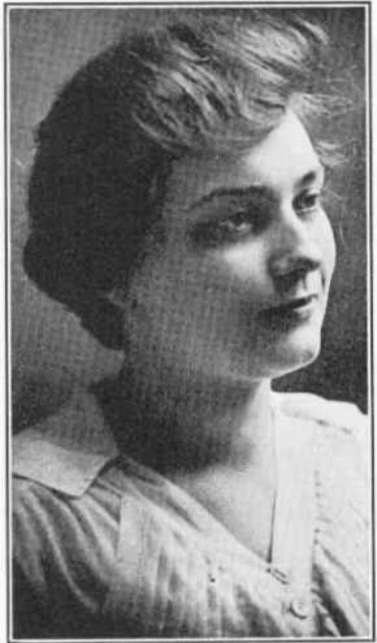
Blanche Elizabeth Harte, fifth-grade teacher at Bath Consolidated School. Image via National Teachers Hall of Fame.
The school was headed by Emory E. Huyck, its superintendent.
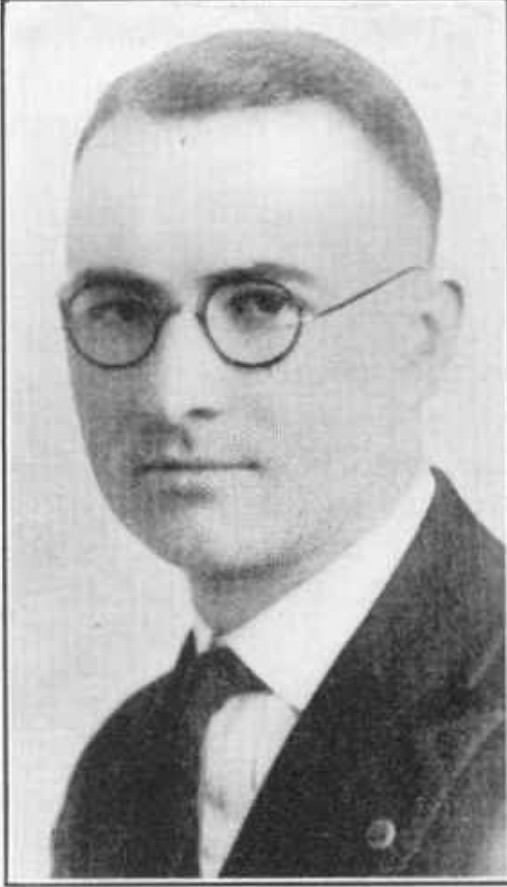
Emory E. Huyck, superintendent of Bath Consolidated School. Image via National Teachers Hall of Fame.
Together, their photographs are striking for their ordinariness.
They do not look like people who belong to a disaster.
They look like schoolteachers.
And that is precisely the point.
Fifteen minutes
School began at 8:30 that morning.
Children were settling into classrooms, preparing lessons and beginning what appeared to be an entirely ordinary Wednesday.
At approximately 8:45, explosives beneath the north wing detonated, destroying much of the northwest section of the school.
The blast tore through the school and caused a large part of the structure to collapse.
Desks disappeared beneath timber and brick. Floors gave way. Children and teachers were buried beneath debris.
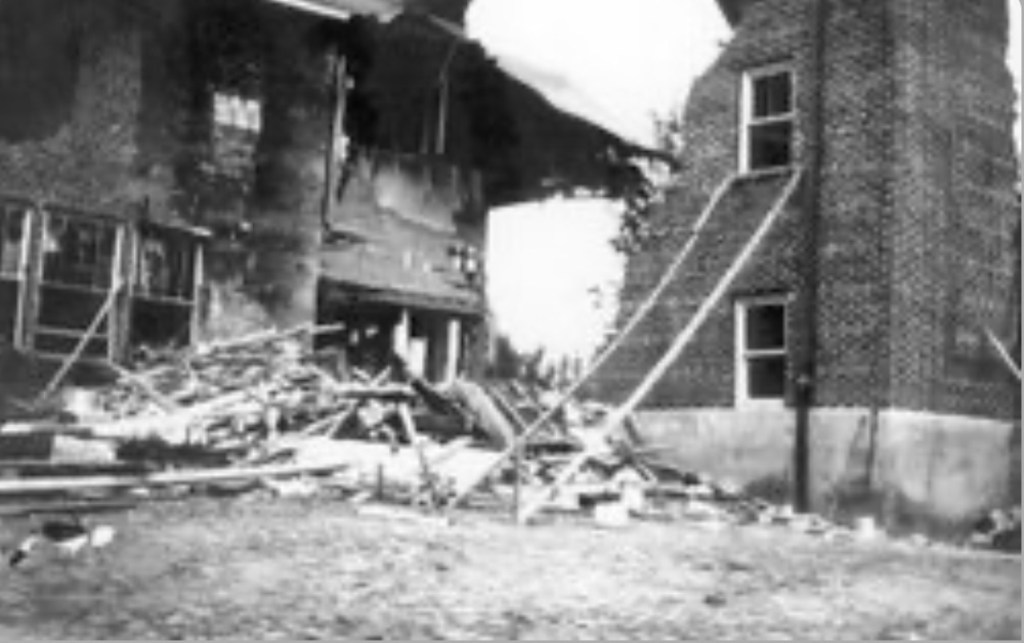
The damaged Bath Consolidated School following the explosion of 18 May 1927. Image via Find a Grave.
The cause had been deliberate.
Andrew Kehoe, a local farmer who also served as treasurer of the school board, had concealed explosives beneath the building. He had developed deep grievances connected with his finances, local taxation and the school.
That is necessary to know.
But it is not where this story belongs.
Because within moments of the explosion, something else happened.
Bath ran towards the school.
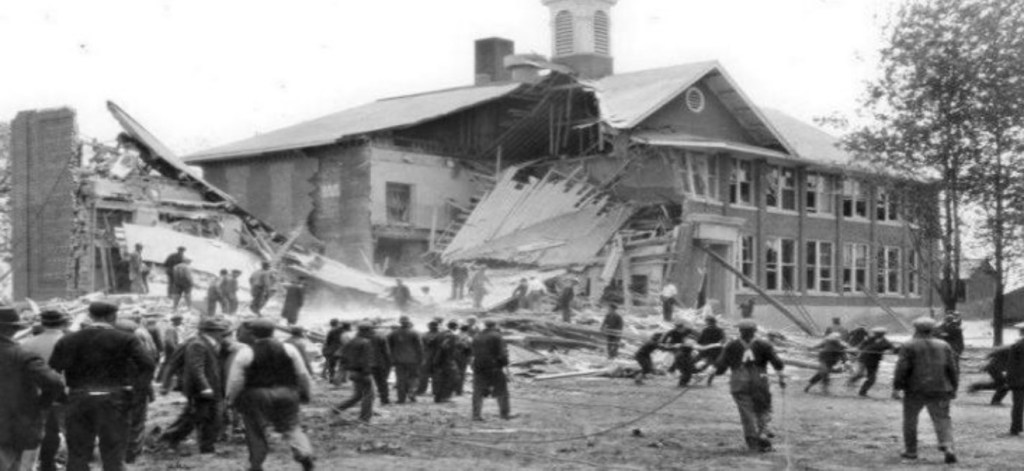
Image via Devastating Disasters.
The people who came running
The sound carried across the community.
Parents came.
Neighbours came.
Farmers came.
People from nearby communities came.
There was no carefully prepared emergency response waiting outside the gates. There were simply people confronted by the sight of their school torn apart and children trapped inside it.
They began to dig.
Hands moved bricks.
Timbers were lifted.
The injured were carried away from the wreckage.
Parents searched for children.
Neighbours searched for other people’s children.
The Bath School Museum describes mothers, fathers, friends and families all helping one another through the destruction.
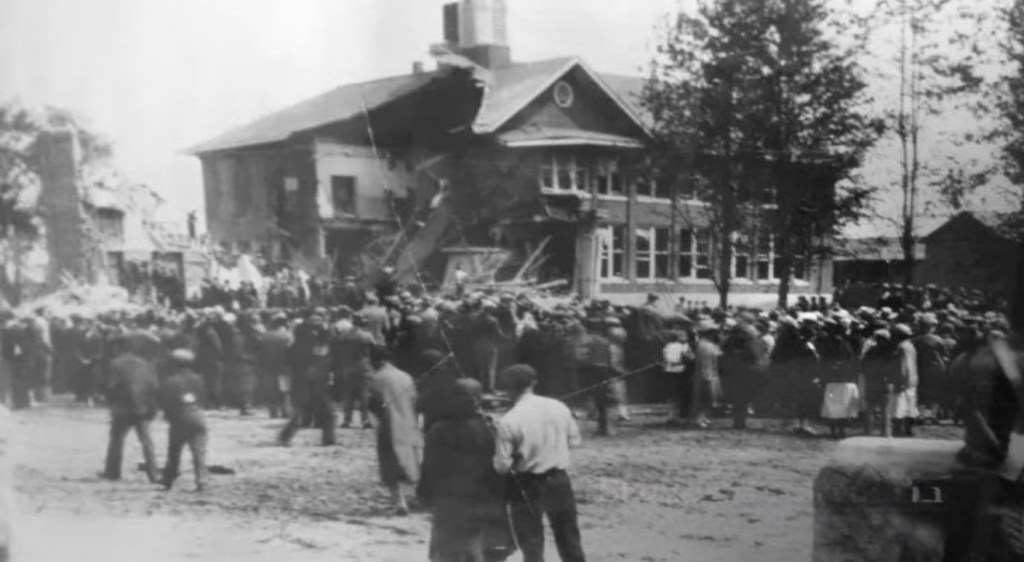
Image via Lansing State Journal.
For a small community, there could have been few sights more terrible.
This was not some distant institution.
These were familiar faces beneath the rubble.
The first catastrophe had barely begun to be understood when there was another.
Kehoe arrived near the school in a vehicle containing explosives. Superintendent Emory Huyck, who had survived the destruction of his school, was among those killed when the vehicle exploded.
By the end of the disaster, the death toll would reach 45, including the perpetrator. Thirty-eight of the dead were children.
The figure is almost impossible to absorb.
Thirty-eight children from one small community.
Two teachers.
A superintendent.
Other adults who happened to be there.
But numbers alone tell us surprisingly little.
Names do more.
Hazel
Hazel Weatherby died in the ruins of her classroom.
Her death certificate is an extraordinarily stark object.
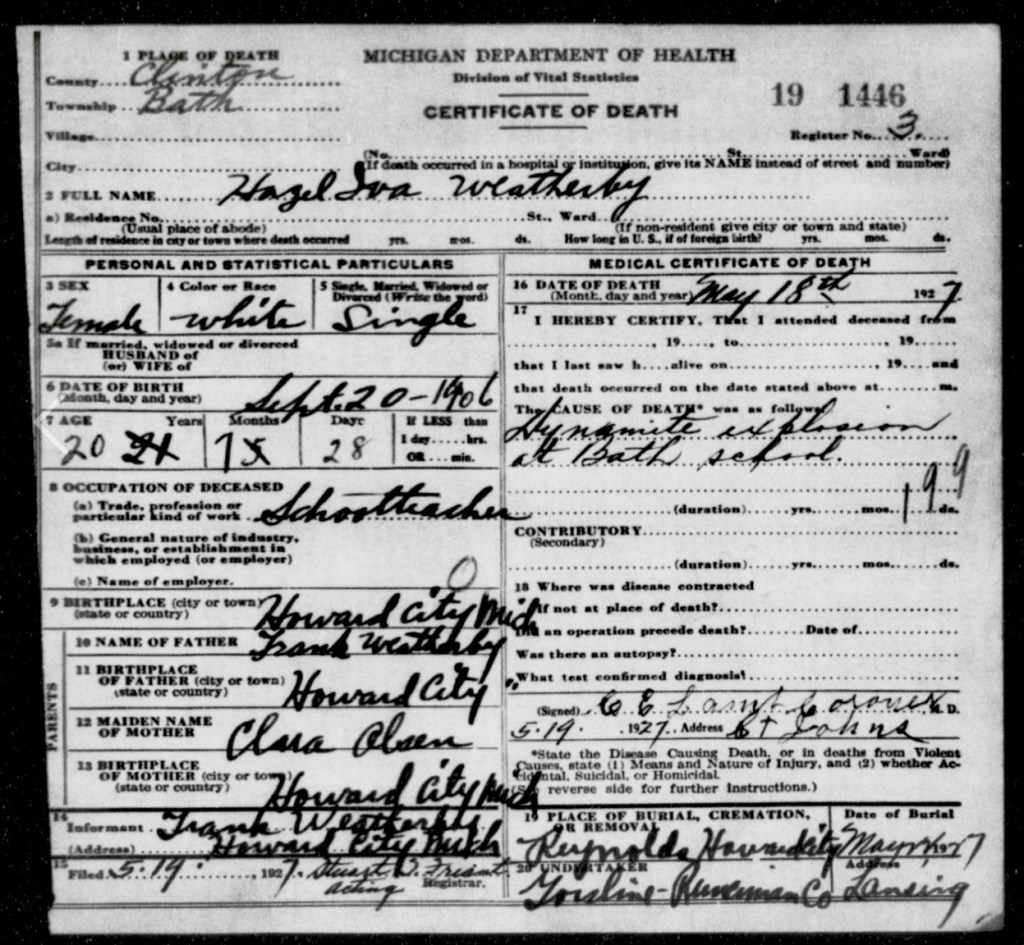
The death certificate of Hazel Iva Weatherby. Image via Find a Grave.
It records a name.
An occupation: schoolteacher.
An age: twenty.
A date: 18 May 1927.
Official records have a way of compressing whole lives into boxes.
Yet Hazel’s life had only just begun to move beyond those boxes.
She was a young teacher at the beginning of her profession, responsible each morning for children perhaps eight, nine or ten years old.
Accounts published after the disaster described her as having tried to protect children when the building came down.
Her funeral took place back in her home community.
The crowd was reportedly too large for Amble Methodist Church, and contemporary coverage described around 150 cars following the cortege.
Her grave would later carry a remarkable inscription:
Martyred Teacher of Bath.
The words belong to another era, but the sentiment is clear.
Her community did not remember her simply as someone who happened to die in a school.
They remembered what she had been doing when disaster arrived.
She had been their teacher.
Blanche
Blanche Elizabeth Harte was another of the teachers lost that morning.
She taught fifth grade.
Her presence in the story matters because Bath should not become a tale constructed around a single heroic figure.
It was a school.
It was filled with adults whose job was to educate and care for children.
Blanche was one of them.
And among the material preserved from the disaster is one of the smallest objects imaginable.
A glass vase.
Michigan State University’s historical collection records it as a small glass vase given to Blanche Harte in 1926.
It survived the bombing.
There is something almost absurd about that.
A school could be torn open.
Brick walls could fall.
Human lives could disappear within seconds.
And a little glass vase could survive.
History sometimes preserves the wrong things.
Or perhaps it preserves exactly the things we need.
What might have happened
After the explosion, investigators entered what remained of the building.
Beneath the south wing, they discovered another large quantity of explosives.
They had not detonated.
The surviving section of the school therefore carried within it another possible version of that morning.
One in which still more classrooms disappeared.
Still more children died.
Still more families waited for names.
That unrealised catastrophe makes the actual loss no less terrible, but it shows how much worse the day had been intended to become.
The south wing remained standing.
So did the school cupola.
And Bath, somehow, remained too.
Sheets for bandages
This may be the detail that says most about the community.
In the hours after the bombing, medical supplies were needed urgently.
Families used what they had.
Household linen was torn into strips for bandages.
Other communities began sending food, bedding and supplies.
It is such a domestic image.
Someone opening a cupboard.
Taking out sheets that might have belonged to a spare bed or a child’s room.
Tearing them apart because somewhere nearby another child was bleeding.
Large disasters are often described through large language.
Devastation.
Catastrophe.
Mass casualties.
But communities usually respond through much smaller actions.
Someone carries water.
Someone gives a blanket.
Someone moves a brick.
Someone tears up a bedsheet.
Someone stays beside an injured child whose parents have not yet arrived.
And gradually those individual actions become the response of an entire place.
The names
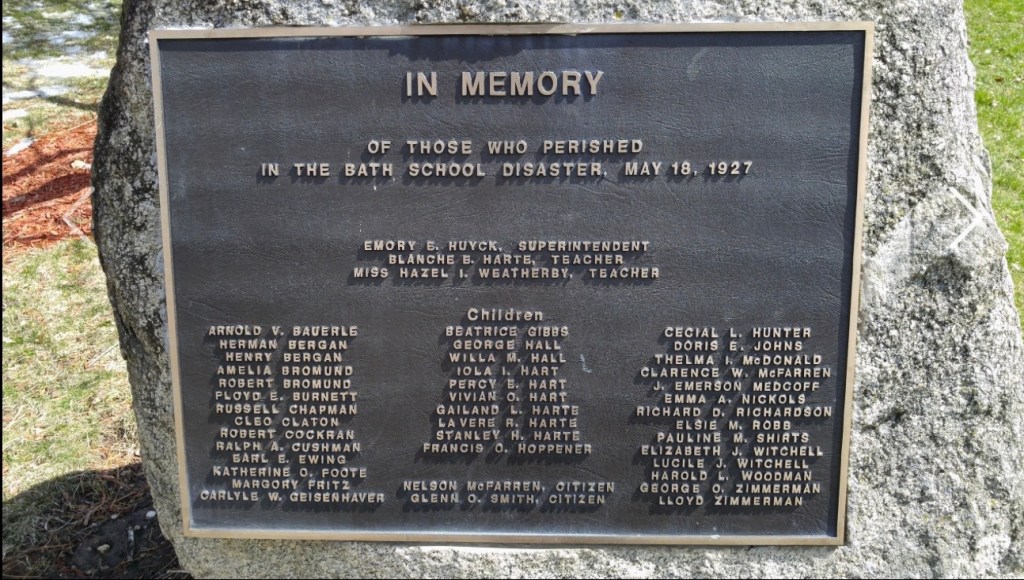
Memorial to those who died in the Bath School disaster. Image via Find a Grave.
The memorial plaque does something that casualty figures cannot.
It returns the dead their names.
At the top are the school staff:
Emory E. Huyck, Superintendent
Blanche E. Harte, Teacher
Miss Hazel I. Weatherby, Teacher
Below them are the children.
Arnold.
Herman.
Henry.
Amelia.
Robert.
Floyd.
Russell.
Cleo.
And the names continue.
Different families appear repeatedly.
Bergan.
Bromund.
Hart.
Harte.
McFarren.
Witchell.
Zimmerman.
This was not simply a collection of unrelated victims who happened to be in the same building.
These were neighbours.
Brothers and sisters.
Cousins.
Classmates.
Children whose families would continue to meet one another in shops, churches, roads and fields long after the funerals had ended.
That is what the word community means in a disaster.
The grief cannot be neatly divided.
Everyone carries some part of someone else’s loss.
Rebuilding Bath
It would have been understandable if the destruction of the school had become the final chapter.
Instead, Bath rebuilt.
Money and assistance came from outside the community, including support associated with Michigan senator James Couzens.
A replacement school was constructed.
Children returned to education.
Teachers returned to classrooms.
Life did not become what it had been on the morning of 18 May.
It could not.
But life continued.
And that may be the most important distinction.
Recovery does not mean forgetting.
Rebuilding does not mean restoring what existed before.
Sometimes rebuilding simply means deciding that destruction will not be allowed to have the last word.
What remained
Decades later, survivors were interviewed.
Michigan State University’s historical collections preserve their voices and transcripts.
They also preserve objects.
A chair recovered from the school.
A dictionary.
A crutch used by an injured pupil.
The glass vase belonging to Blanche Harte.
Each one is almost painfully ordinary.
But perhaps ordinary things are the best witnesses.
They remind us that before the explosion there had been classrooms.
Words being looked up in dictionaries.
Children sitting on chairs.
Teachers receiving small gifts.
School days beginning at half past eight.
There was nothing inevitable about what happened next.
That morning only became historic because ordinary life was interrupted.
A century later
Bath continues to remember.
The surviving cupola became part of the memorial landscape. The Bath School Museum preserves the history of the school, the disaster and the people whose lives were changed by it.
And perhaps that is where the story properly ends.
Not with Andrew Kehoe.
His actions caused the disaster, but they do not need to own its memory.
Bath belongs to the teachers whose photographs survive.
To Hazel Weatherby, twenty years old and standing at the beginning of her career.
To Blanche Harte and her fifth-grade classroom.
To Emory Huyck and the school he helped lead.
To the children whose names remain on the memorial.
To the people who ran towards a ruined building.
To the families who opened cupboards and sacrificed their sheets for bandages.
To those who buried children and then somehow found the strength to build another school.
The explosion lasted moments.
The response lasted generations.
And sometimes history survives not in the thing that was destroyed, but in what remained afterwards.
A chair.
A dictionary.
A child’s crutch.
A list of names.
And a little glass vase, given to a teacher in 1926, that should have been shattered on the morning of 18 May 1927.
But wasn’t.
 Life in the Margins